AirCarta vs a Local SIM Card, Which Actually Wins on Your Next Trip
eSIM Guides · · 9 min read · By AirCarta Team
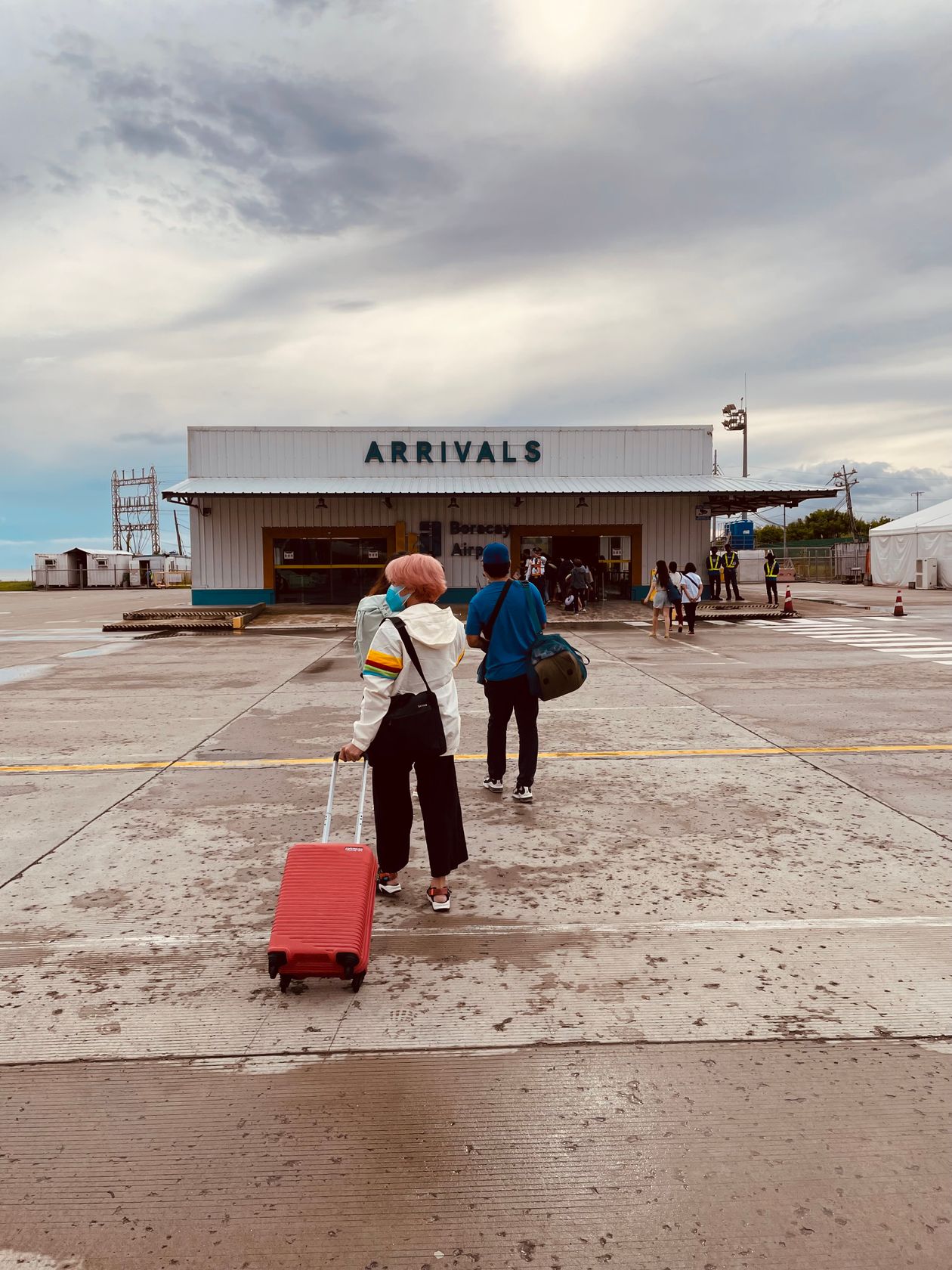
You land, clear customs, and see the sign: "Tourist SIM Cards Here." It used to be the obvious move. In 2026, it's often the slower, more expensive, and more paperwork-heavy one, and most travelers don't find that out until they're already standing in the queue.
Quick answer: an eSIM wins on setup time, price transparency, and paperwork for the vast majority of trips. A physical local SIM card still makes sense if you specifically need a local phone number for calls, your phone doesn't support eSIM, or you're staying long enough that a resident-grade local plan genuinely beats any travel eSIM on price.
Here's the honest, unglamorous comparison.
📋 The Paperwork Problem Nobody Mentions Until You're There
More than 160 countries now require some form of identity check before a prepaid SIM will activate, and the rules keep getting stricter, not looser. A few real examples from 2026:
None of that is a rumor or an outdated travel-forum warning, it's the current rule in some of the most visited countries on earth. An eSIM sidesteps most of this because you're buying a data plan online with a card, not walking into a shop as an unregistered foreigner. It's worth saying plainly, though: this is shifting too, and a small number of destinations are starting to apply similar checks to eSIMs. Check the requirements for your specific destination before you assume either option is paperwork-free.
💸 The Airport Kiosk Markup
Even where a physical SIM is simple to buy, where you buy it matters enormously. Multiple traveler reports and industry write-ups in 2026 describe the same pattern: a data plan that costs $10 to $15 at a city-center phone shop gets sold for $30 to $40 at the arrivals hall kiosk a few hundred meters away, a 200 to 300 percent markup aimed squarely at jet-lagged travelers who have no idea what the local rate should be. Add the common "unlimited" plan that's actually a throttled prepaid top-up, and the arrivals hall kiosk stops looking like a convenience and starts looking like a tax on not knowing better.
An eSIM bought in advance has one price, shown before you fly, with no in-person haggling and no exchange-rate games at the counter.
📊 The Straight Comparison
| Factor | AirCarta eSIM | Local Physical SIM |
|---|---|---|
| Setup time | 2 minutes, before you fly | 20 to 40 minutes, sometimes longer |
| ID required | Payment details only, in most cases | Passport, often visa and photo too |
| Price transparency | Fixed price shown before purchase | Varies wildly by location, airport markup common |
| Home SIM | Stays in your phone, dual SIM | Often removed and stored, missing calls and codes |
| Local phone number | No, data-only | Yes |
| Best for | Most trips, most travelers | Needing a real local number, or a non-eSIM phone |
📱 What You Lose With a Physical SIM (That Nobody Warns You About)
Swap in a local SIM and your home number goes quiet in your phone's second slot, or gets pulled entirely if your phone only has one SIM slot. That means missed calls, and worse, missed bank verification codes, since most of those still arrive by SMS to your home number. With an eSIM running alongside your physical home SIM, both stay active: data flows through the eSIM, and your home number keeps receiving calls and codes exactly as it does at home.
🛡️ Where a Local SIM Still Wins
This isn't a one-sided case. A physical local SIM is the better choice when:
For a standard trip of a few days to a few weeks, none of those usually apply, which is why the eSIM wins the comparison for most travelers, not because the local SIM is a bad product, but because the paperwork, the markup risk, and the lost home number rarely pay off for a short stay.

4G/5G data from $3.50, instant email delivery
No passport, no queue, no airport markup
Why Travelers Skip the Kiosk Now
"Got quoted triple the local price at the airport kiosk last year. Set up AirCarta on the plane this time, walked straight past the queue."
- Daniela, Spain, June 2026
"Had a question about activation timing and got a real person back within the hour. No ticket number, no bot loop."
- Marcus, Germany, May 2026
❓ Frequently Asked Questions
Do I need a passport to buy an eSIM?
Generally no. Most travel eSIMs, including AirCarta, only require standard account and payment details, not identity documents. A small number of destinations are beginning to apply stricter checks even to eSIMs, so it's worth confirming for your specific country, but this remains far less common than passport-based physical SIM registration.Why are airport SIM kiosks so much more expensive?
Because they're selling to a captive audience. Reports from travelers and industry guides consistently describe the same 200 to 300 percent markup compared to a city-center shop just a short distance away, on top of undisclosed activation fees or poor exchange rates when paying in a foreign currency.Will I miss calls or bank codes if I use an eSIM instead of a local SIM?
No, that's actually the opposite problem, and it happens with physical SIMs. Swap in a local physical SIM and your home number often goes into a drawer or gets bumped from a single-SIM phone. An eSIM runs alongside your home SIM, so your home number keeps receiving calls and SMS verification codes as normal.Is a local SIM card ever actually cheaper?
For long stays of a month or more, sometimes yes, since resident-grade local plans can beat travel eSIM pricing at volume. For a standard trip of a few days to a few weeks, a local SIM's savings rarely offset the registration hassle and airport markup risk.Which countries have the strictest SIM registration rules right now?
Indonesia, the UAE, India, Turkey, and China all currently require passport or national ID verification before a prepaid SIM activates, and Indonesia tightened its rules further in 2026 so SIMs now ship inactive until identity is verified.Does AirCarta offer a local phone number?
No, AirCarta plans are data-only, the same as most travel eSIMs. If a local number is essential for your trip, a physical local SIM is the better fit for that specific need.✈️ Final Thoughts
The tourist SIM kiosk isn't dead, but it's earned its bad reputation the hard way: passport checks, queues, marked-up prices, and a home number that goes silent the moment you swap the card. For the overwhelming majority of trips, an eSIM set up before you fly solves all four problems at once, and if something doesn't work as expected, a straightforward guarantee beats standing back in that same queue to argue about a refund.
Browse AirCarta's eSIM plans → No passport, no queue, no airport markup.