What to Pack for Bali | Complete Travel Checklist & Seasonal Guide
Travel · · 10 min read · By AirCarta Team

What to Pack for Bali, Why It Matters
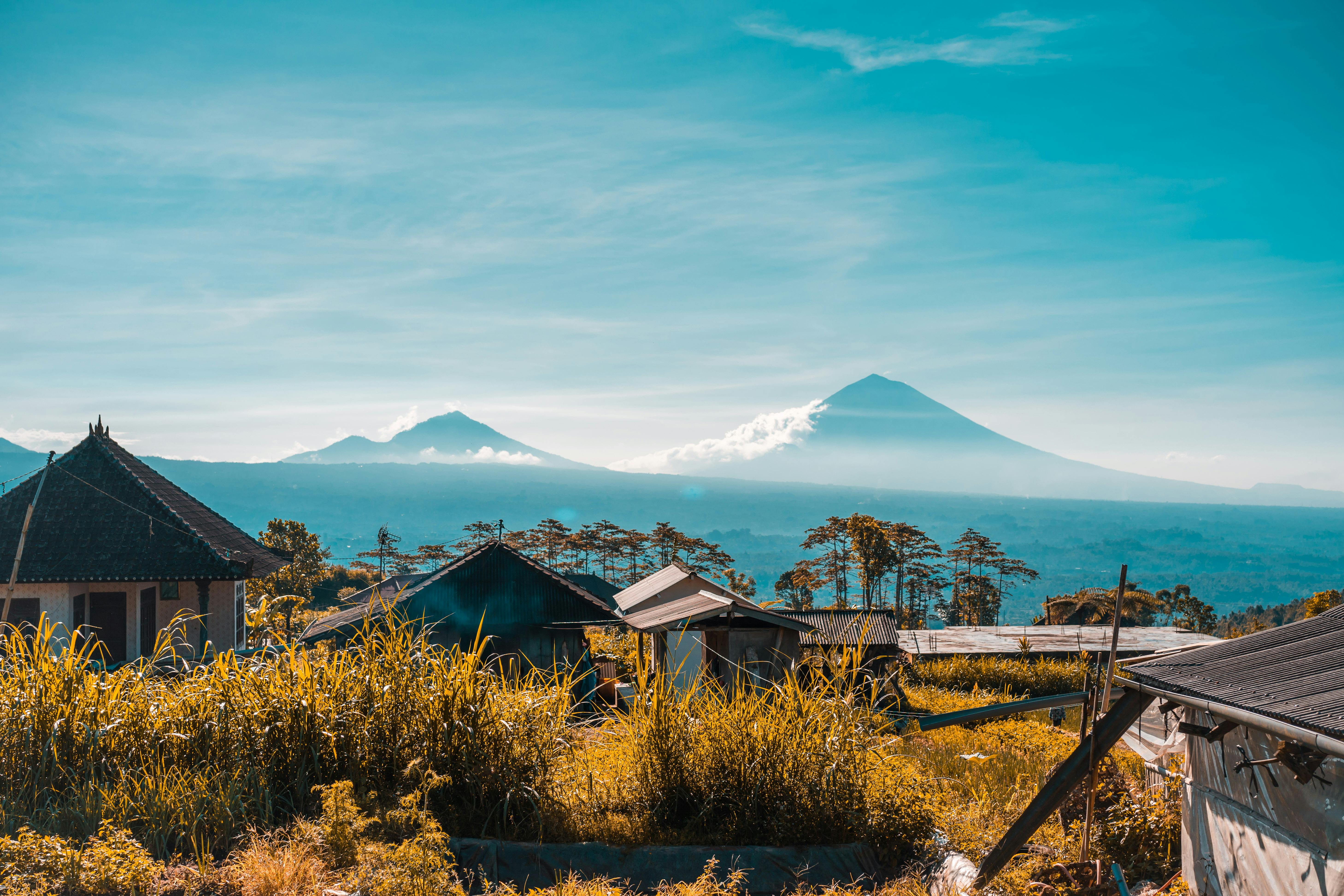
Bali isn’t a simple “pack your swimsuit and go” destination. The island combines beaches, rainforests, mountains, and temples, each requiring the right clothing and equipment. A well-planned packing list helps you adapt to the tropical climate, respect local customs, and enjoy the journey with ease.Whether you’re surfing in Uluwatu, hiking Mount Batur, or exploring Ubud’s temples, this guide covers every detail, what to wear, what to bring, and how to stay connected seamlessly.
Bali’s Climate and Seasonal Breakdown
Bali sits close to the equator, giving it a tropical climate with two main seasons: dry (April–October) and wet (November–March). Temperatures remain steady year-round, but humidity, rainfall, and surf conditions change dramatically.| Season | Months | Conditions | Best Activities |
|---|---|---|---|
| Dry Season | April – October | Low humidity, bright sunshine, calm seas | Beaches, diving, outdoor adventures |
| Wet Season | November – March | Humid, tropical rain, greener landscapes | Waterfalls, surfing, spa retreats |
💡 Pro Tip: Pack a waterproof pouch for electronics and lightweight quick-dry clothes even during the dry season.
Clothing Guide for Bali’s Climate
Bali’s laid-back style meets cultural modesty. Breathable fabrics are key for comfort, but respectful dressing is equally important, especially for temple visits and rural areas.Everyday Wear
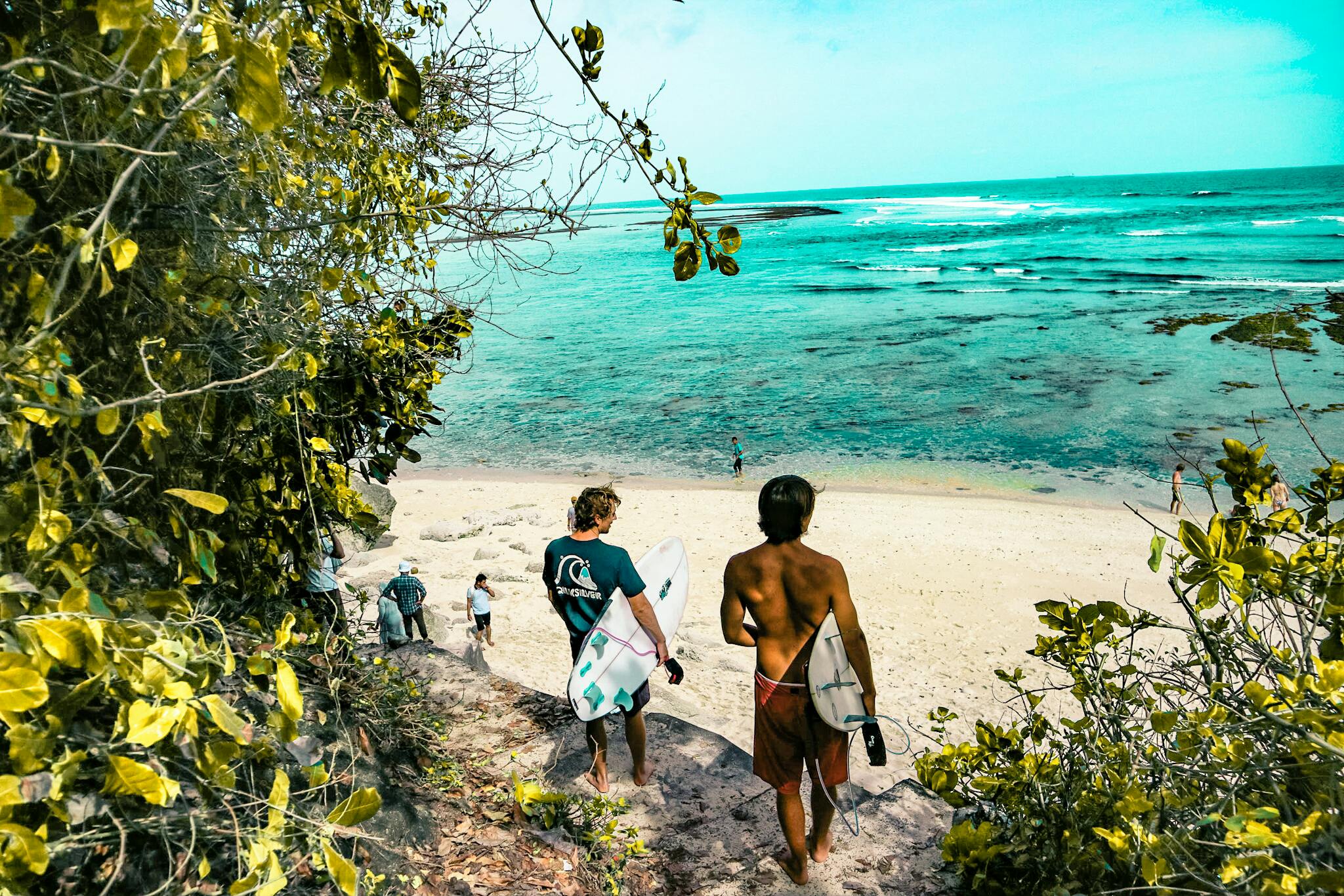
Beach & Poolwear
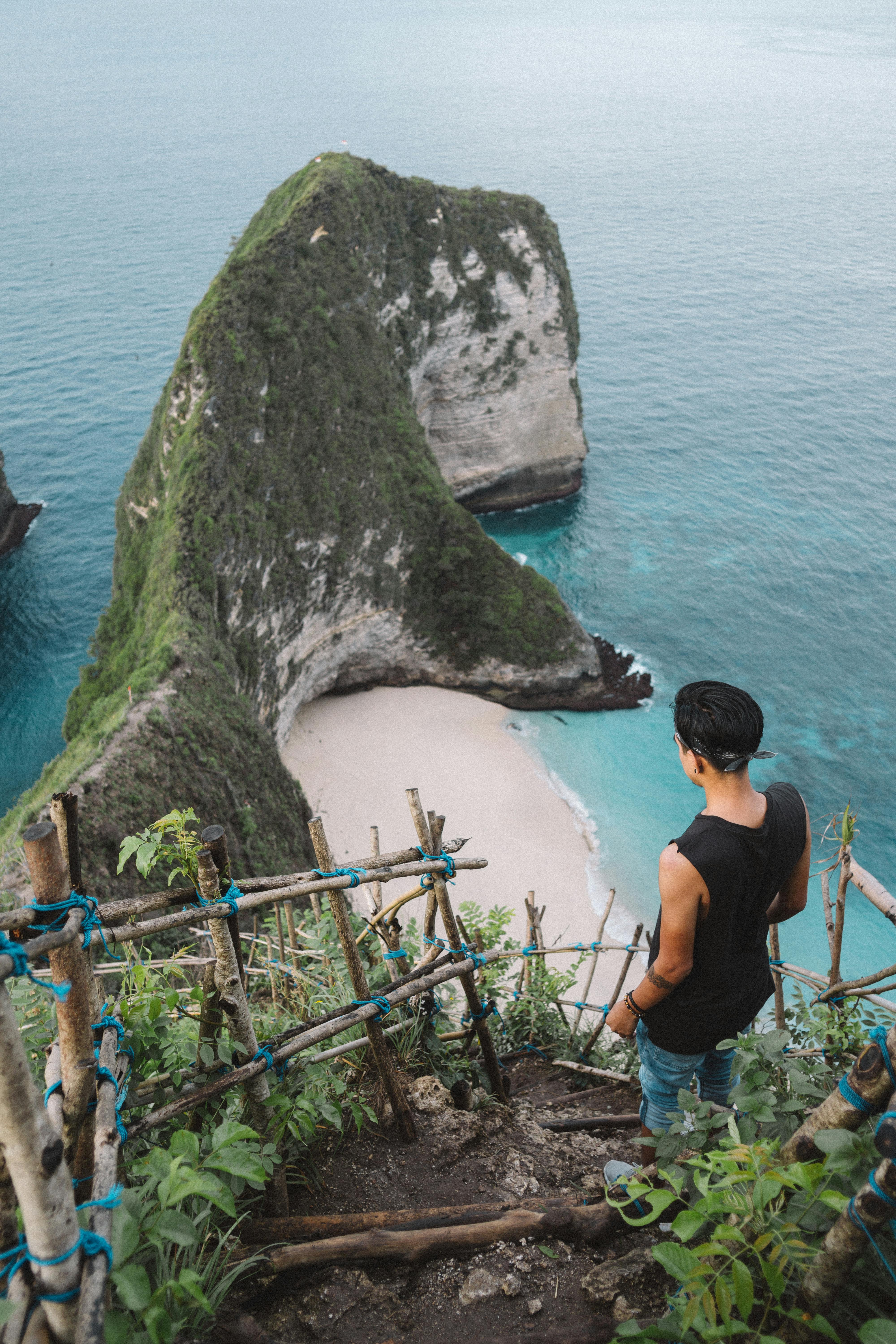
Adventure & Hiking
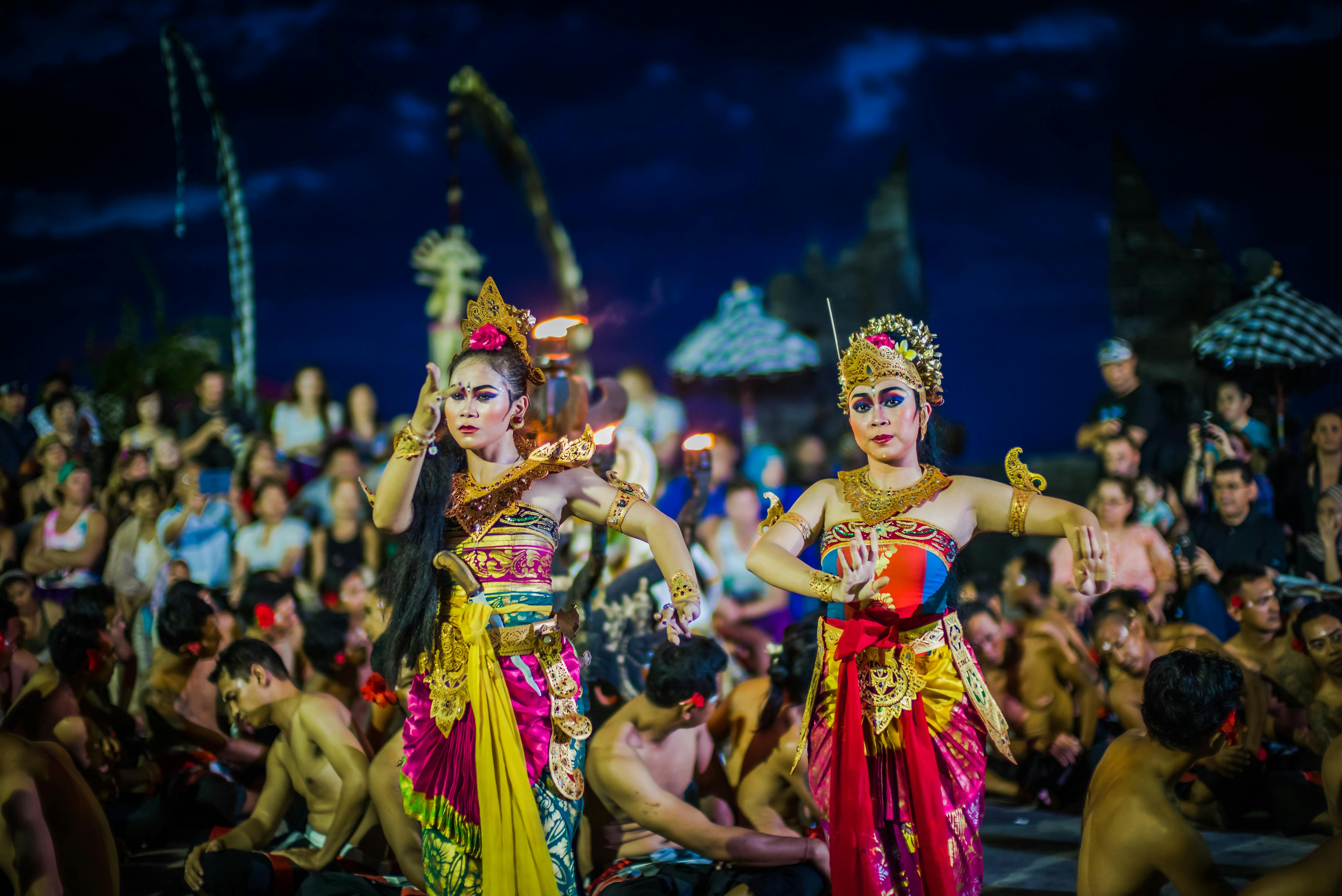
Evenings & Temples
Balinese etiquette: shoulders and knees must be covered at religious sites. Avoid beachwear outside coastal areas.
Fabric Recommendations
Choose light, breathable, quick-drying materials:Keep silica gel packs in your luggage to prevent mildew in humid conditions.
Travel Essentials Beyond Clothing
Packing goes beyond fashion. Smart travelers think ahead about health, comfort, and connectivity.Health & Hygiene
Electronics & Connectivity
Skip airport SIM queues, activate your AirCarta Indonesia eSIM before departure to enjoy seamless 4G/5G coverage across Bali, Jakarta, and Lombok.
Safety, Etiquette & Local Awareness
Bali is safe and welcoming, but smart habits make all the difference:Always keep cloud backups of your passport and key documents.
Packing by Season
| Season | Recommended Items |
|---|---|
| Dry Season (Apr–Oct) | Sunglasses, hat, sandals, cotton shirts, sneakers, light jacket for mountain mornings |
| Wet Season (Nov–Mar) | Waterproof sandals, poncho, umbrella, quick-dry clothes, dry pouches for gear |
Tech & Work Essentials for Digital Nomads
Bali is Southeast Asia’s hub for remote work. If you’re working while traveling:Many cafés and coworking hubs in Canggu and Ubud offer reliable, fast Wi-Fi and charging stations.
Sustainable Travel & Eco-Friendly Choices
Bali’s natural beauty depends on responsible tourism:Sustainable travel isn’t a trend in Bali, it’s a shared duty.
Complete Packing Checklist
| Category | Must-Have Items |
|---|---|
| Documents | Passport, visa (if required), insurance, flight info, hotel confirmation |
| Clothing | Light shirts, shorts, sarong, temple wear, rain jacket |
| Tech | Adapter, power bank, chargers, AirCarta eSIM, waterproof phone pouch |
| Health | Sunscreen, repellent, meds, sanitizer, wipes |
| Extras | Reusable bag, sunglasses, lock, dry pouch, travel pillow |
Traveler Insights & Pro Tips
Local advice: Always smile, Balinese people deeply value kindness and good energy.
❓ Frequently Asked Questions
What should I not pack for Bali? Heavy jeans, thick jackets and more shoes than you will wear. Toiletries, sunscreen and mosquito repellent are all sold locally and cheaply, so there is little reason to fill your case with them. Leave drone gear at home unless you have checked the current rules for where you plan to fly it.
Do I need to cover up in Bali? Only at temples, where shoulders and knees must be covered and a sarong is required. Most temples lend or rent one at the entrance. Everywhere else, ordinary beach and resort clothing is fine, though beachwear away from the beach reads as impolite.
What is the best month to visit Bali? May, June and September sit between the dry-season crowds and the rains, with the most reliable weather and lower prices. July and August are driest but busiest.
Can I drink the tap water in Bali? No. Stick to bottled or filtered water, including for brushing teeth. A filter bottle pays for itself in a week and cuts a lot of plastic.
What power adapter does Bali use? Indonesia uses type C and F plugs at 230V, the same round two-pin sockets as most of continental Europe. UK and US travellers need an adapter.
How much cash should I carry? Cards are widely accepted in Seminyak, Canggu and Ubud, but warungs, markets and temple donations are cash only. Keep 200,000 to 500,000 IDR on you and use ATMs attached to banks rather than freestanding ones.
Will my phone work in Bali? Yes, if it is unlocked and supports eSIM. Coverage is strong across the south and Ubud, thinner in the mountains and on the smaller Nusa islands. Download offline maps before you go.
How much mobile data will I use in Bali? For maps, messaging and social media, 3 GB comfortably covers a week. Add more only if you plan to stream video away from Wi-Fi.
🌏 Before You Go
Packing for Bali is about balance: tropical comfort, cultural awareness and practical planning. Pack lighter than you think, buy the consumables locally, and sort your connectivity before you fly rather than at the airport.
An Indonesian eSIM installs at home on Wi-Fi and starts counting only when you land, so there is no reason to leave it until arrival. Plans for Indonesia start at $3.50.
👉 Get an eSIM for Indonesia and Bali →
Related reading: Best eSIM for Bali · How much data you need and when to buy · How to activate your eSIM · Check your device